What marina operators get wrong about transient sailors
We talked to 40 bluewater sailors about what makes a marina worth a second visit. The answers surprised us.
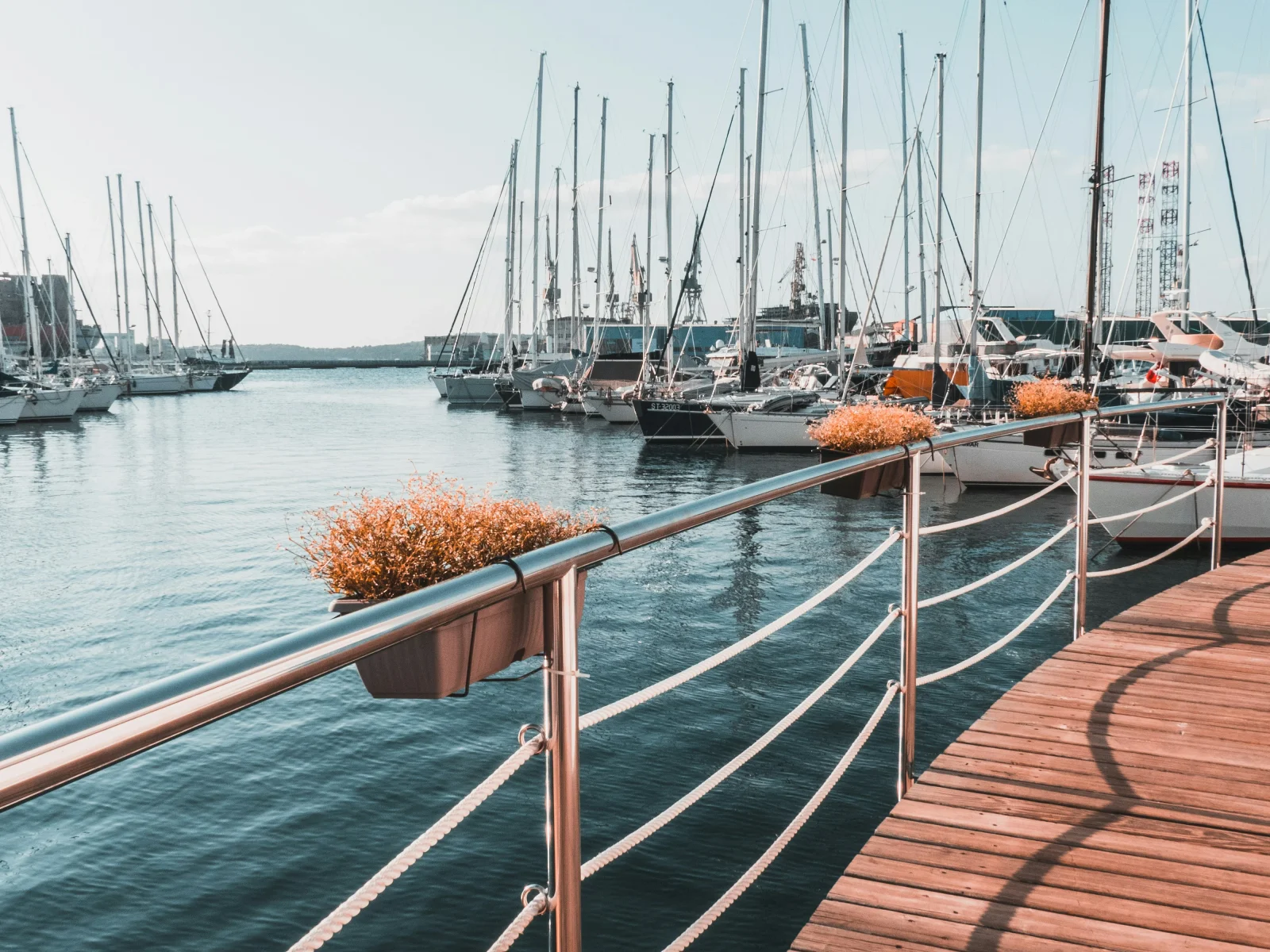
We spent two months talking to bluewater sailors — people who have visited dozens of marinas across multiple ocean crossings — about what makes a marina worth recommending. The feedback was consistent, specific, and largely at odds with how most marina operators think about their product.
The things that matter most
Laundry, reliably. This came up in almost every conversation. Not fancy laundry, not a laundry service — a working washing machine that takes coins or a card, is available when you arrive after a long passage at 2200, and actually dries your clothes. The number of marinas that fail at this basic task is astonishing.
Wifi that works at the pontoon. Sailors check weather. They upload position logs. They video-call their families. Wifi that only works in the marina office is not wifi — it is a marketing claim. The marinas that have invested in proper pontoon coverage are the ones sailors remember and recommend.
Information on arrival. When you arrive in a foreign port after a long passage, you are tired, potentially anxious, and looking for basic orientation: where is the customs office? Where can I fill water? Is there a supermarket within walking distance? The marinas that have a printed arrival guide (even a simple one-page A4 sheet) get outsized goodwill from passage sailors.
The things that drive sailors away
Complicated booking systems that don’t account for arrival uncertainty. A passage sailor cannot guarantee a Tuesday arrival. They can estimate a window. Marinas that charge for missed dates, or that release berths if you are not there by a specific time, create anxiety and get avoided. The best marinas have a simple “call us when you are 24 hours out” policy.
Fuel docks with restricted hours. Arriving after a long passage with empty tanks and being told the fuel dock opens at 0800 is a remarkably poor welcome. Flexible fuel access is disproportionately valued.
Staff who treat transient sailors as lesser customers. The economics are real — annual berth holders pay more predictably. But the passage sailor is often the one who writes the review, recommends the marina in the cruising guides, and returns with friends. The marinas that treat transient sailors well punch above their weight in reputation.
What the best marinas do differently
The marinas that sailors rave about share a few characteristics:
- They have one person responsible for passage sailor experience. Not a committee — a person.
- They communicate proactively. A WhatsApp message with entry instructions before you arrive costs nothing and earns enormous goodwill.
- They have solved the basics. Clean showers, working laundry, reliable electricity connections, good water pressure. The basics done well beat a fancy bar done badly every time.
The sailing community is small and communicative. Cruising guides get updated. Facebook groups circulate recommendations. A marina that gets the basics right, and treats passage sailors with genuine welcome, will see the return.
A note on Sidon Marina
We built the marina dashboard in Sidon because we kept hearing from marina operators that they did not have good tools. The booking system, the berth availability, the announcements — these were being managed in spreadsheets and WhatsApp groups. We thought we could do better. Whether we have is for you to judge.