Crossing the Atlantic: how to plan a 3,000 nm passage from scratch
From choosing your weather window to provisioning for 21 days offshore — a practical breakdown of everything that goes into a successful ARC or a free-wind crossing.
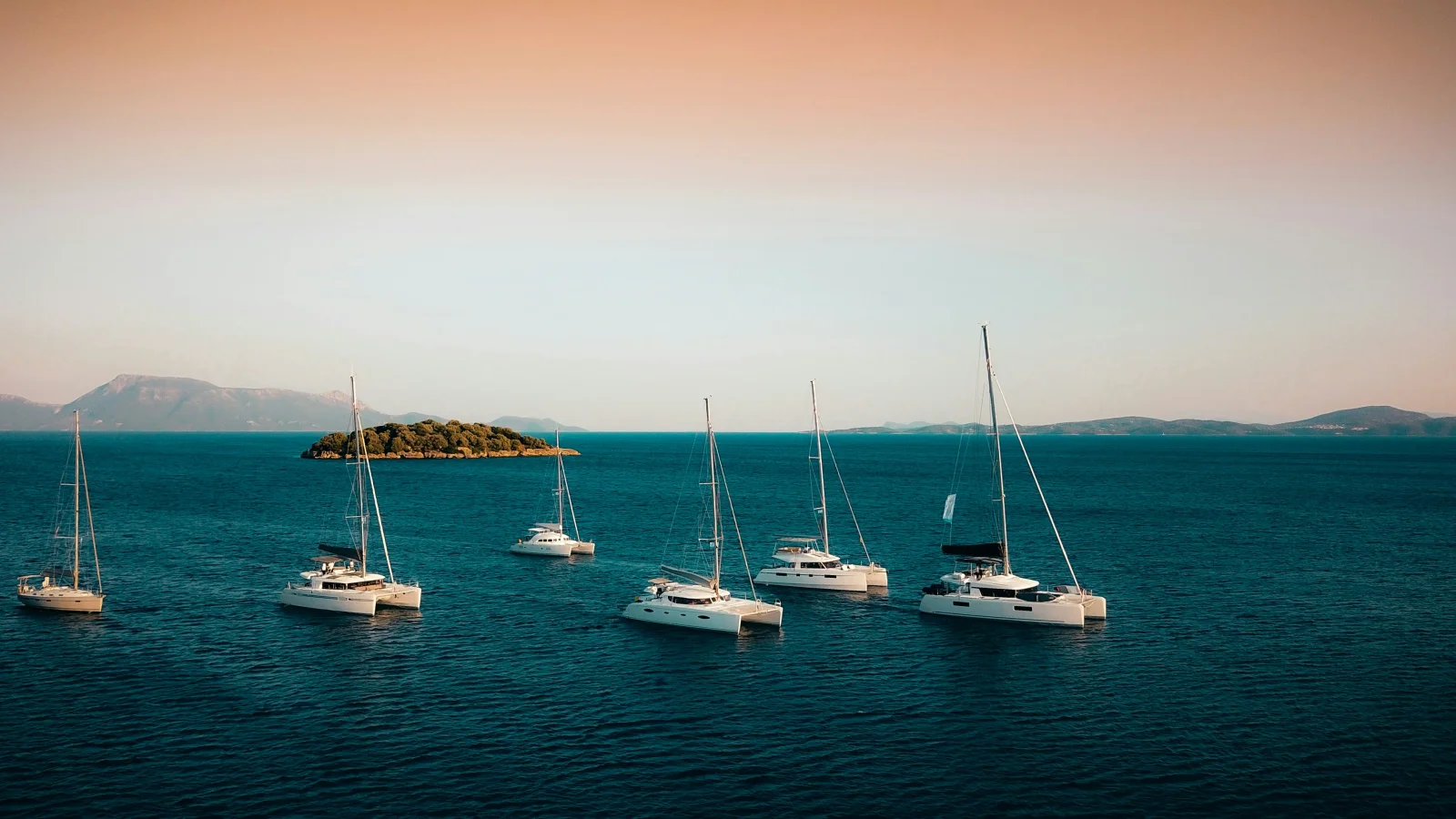
The Atlantic crossing is the passage most bluewater sailors circle on their mental calendar for years before they actually do it. It is not technically demanding — the trade winds are consistent, the weather is benign, and the route is well-worn. What makes it challenging is the sheer scale: you are planning to be at sea for three weeks, out of reach of any marina, any chandler, and any weather forecast that goes beyond five days.
Choose your departure window first
The classic departure window is late November to mid-January from the Canary Islands. The northeast trades have settled, the hurricane season is finished, and you will arrive in the Caribbean before the main season kicks off in earnest. The ARC (Atlantic Rally for Cruisers) departs Las Palmas on the last Sunday of November — if you want company on the water, that timing is hard to beat.
If you are going free-wind (on your own schedule), the window opens earlier in the season but comes with more variability. October departures from the Canaries are possible, but you are watching the tail end of hurricane season with one eye.
Weather routing is not optional
At passage length, you are not routing around a low — you are routing around a pattern. The key variables are:
- Position of the ITCZ — the intertropical convergence zone moves north and south with the season. In November/December it sits south of its summer position, giving you a clean run into the trades.
- Azores High — your friend on the way down, but watch it. A strong, extended Azores High can push the trades too far south and leave you ghosting in 8 knots.
- Cape Verde acceleration zone — strong gradient between the Saharan heat low and the trade wind belt. Free wind, but steep chop.
A good routing service (PredictWind, Windyty GRIB) will give you 7–10 days of actionable data. Beyond that you are extrapolating from climatology — the routing services know this, even if the pretty animated maps do not show it.
Provisioning for 21 days
The rule of thumb: provision for 25% more than your best ETA suggests. Atlantic crossings take anywhere from 14 days (fast boat, good wind) to 28 days (light displacement cruiser, light patch). You do not want to run dry on cooking gas at 1,800 nm.
Protein is the thing most crews underestimate. Fresh provisions last a week at best in the tropics. After that you are on tinned fish, dried legumes, and whatever fishing you can manage. The fishing is worth taking seriously — mahi mahi and wahoo are common in the mid-Atlantic and they eat well.
Watchkeeping offshore
The 3-on-6-off rota works beautifully in a racing crew of six. In a cruising crew of two or three, it turns people into zombies by day four. The pattern we have seen work best for small crews is:
- Two-person crew: 4 hours on, 4 hours off, with an overlap hour at meal times. Hard, but sustainable.
- Three-person crew: 3 hours on, 6 hours off. The cleanest version of offshore watchkeeping there is.
Whatever you choose, write it down, stick to it, and do not renegotiate at sea. The watch schedule is the ship’s law.
Arrival: the Barbados question
Rodney Bay in St Lucia and Bridgetown in Barbados are the two classic Atlantic finishes. Barbados is further east and therefore easier to reach when the trades are blowing hard — you do not have to beat against the typical Caribbean easterlies to get there. St Lucia’s Rodney Bay Marina is better equipped, has the ARC reception, and is a better jumping-off point for exploring the islands north.
If you have flexibility, aim for Barbados in a blow and St Lucia in a lighter year.
The crossing is the easy part. The planning is where passages are won and lost.